After a decade filming architecture, I've seen incredible properties lose their impact because of mistakes that are easy to avoid. Here are six fundamentals to make your visuals actually stand out in the market:
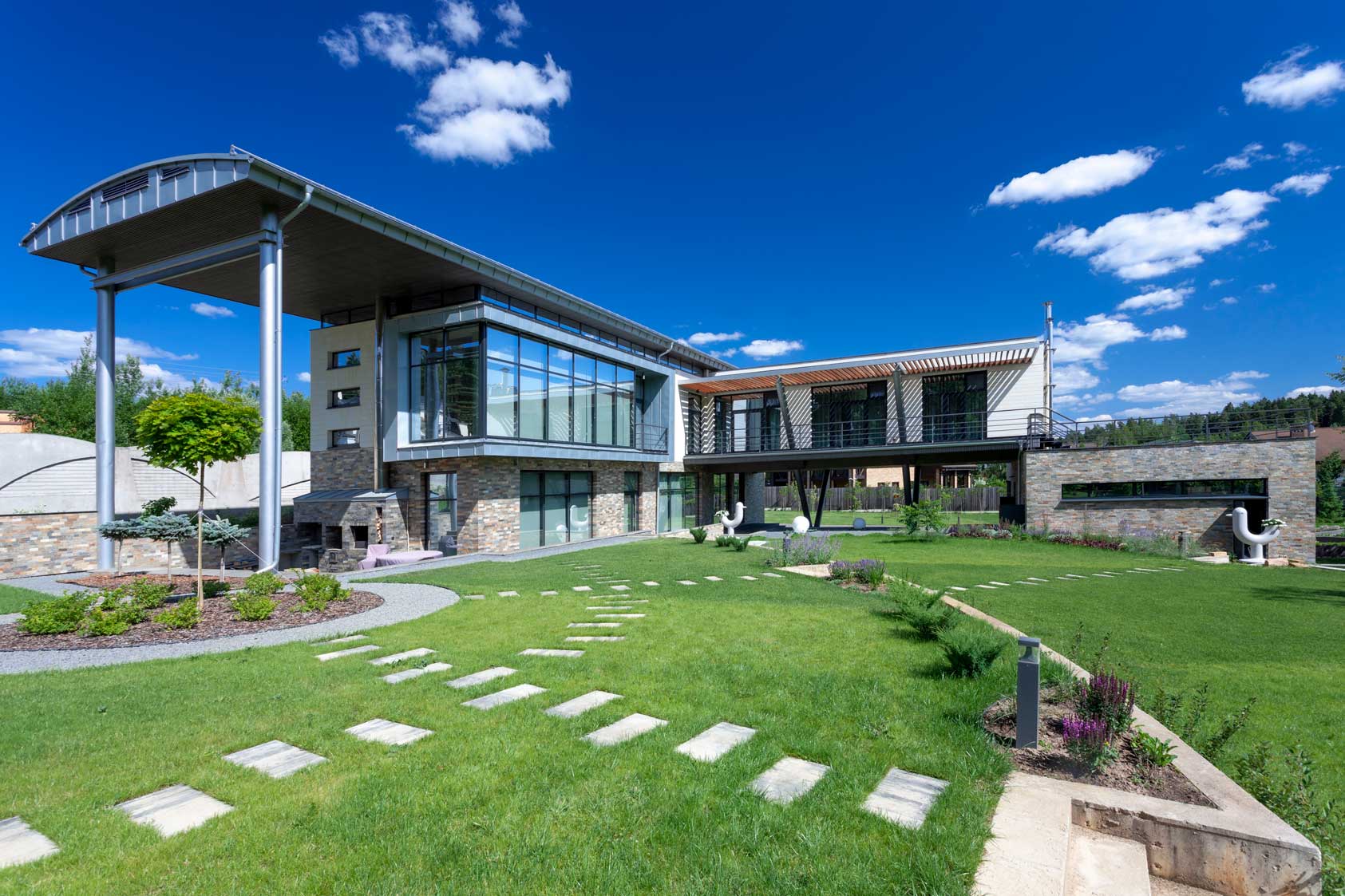
Without sun, architecture loses depth and texture. The flat light of an overcast day makes a space look two-dimensional.
Recommendation: always look for the "golden hour" (sunrise or sunset) to add warmth and the shadows that define volume.
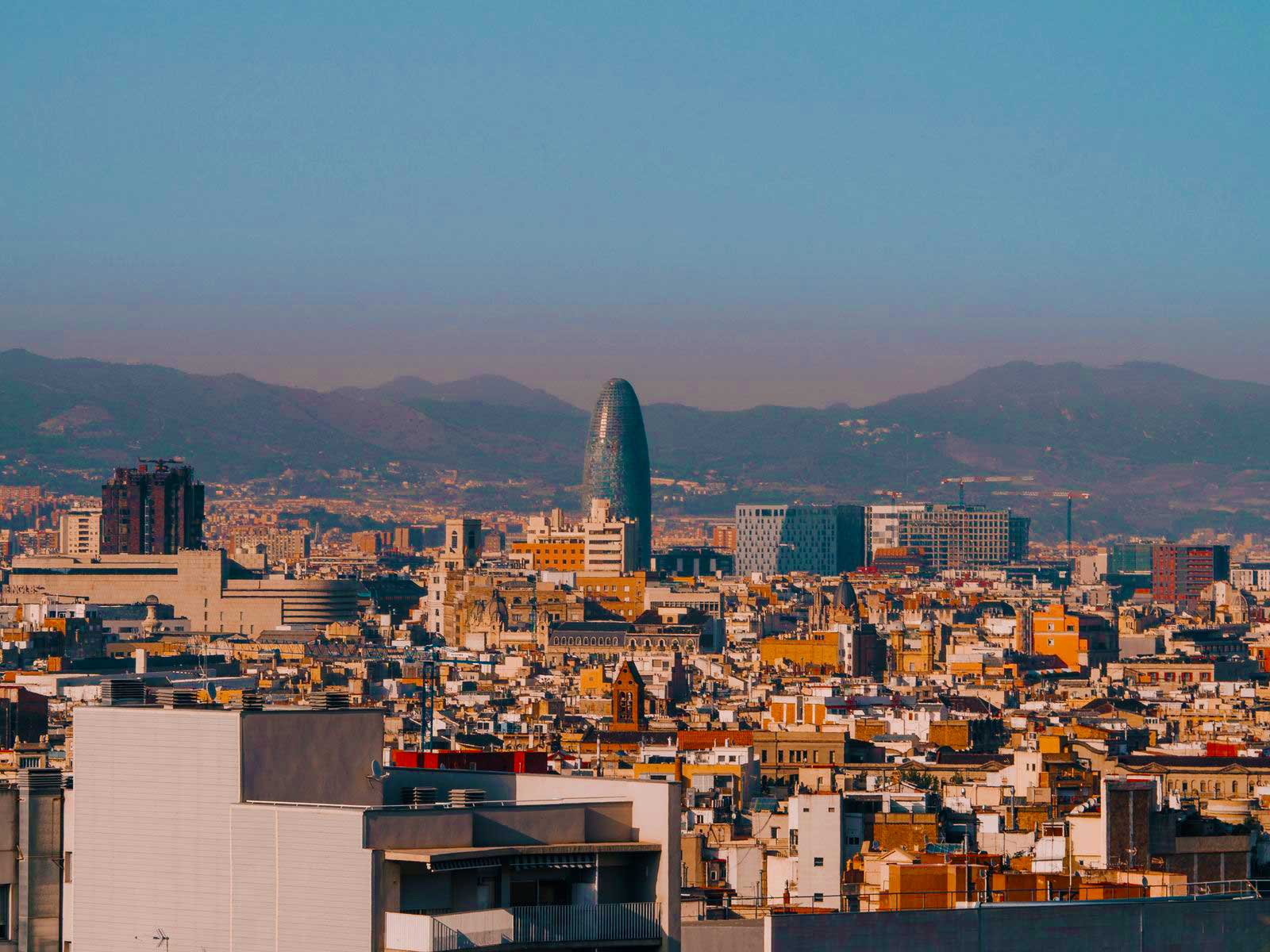
Real estate filming demands precise tools. A wide-angle lens (24–25mm minimum) is essential to respect the geometry, while a gimbal guarantees the cinematic flow the footage needs.
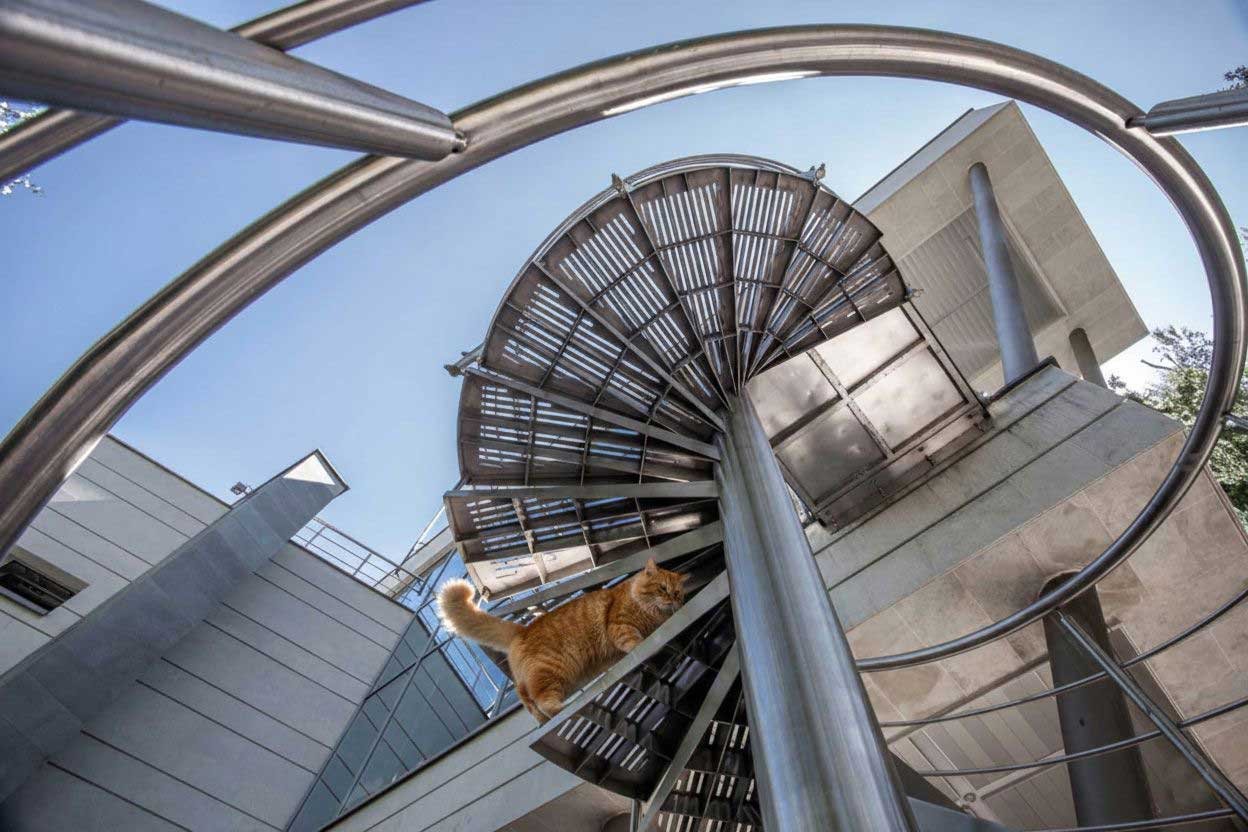
Drone shots aren't a luxury — they're a necessity for showing the context and scale of the architectural design, and for grabbing the viewer's attention immediately.
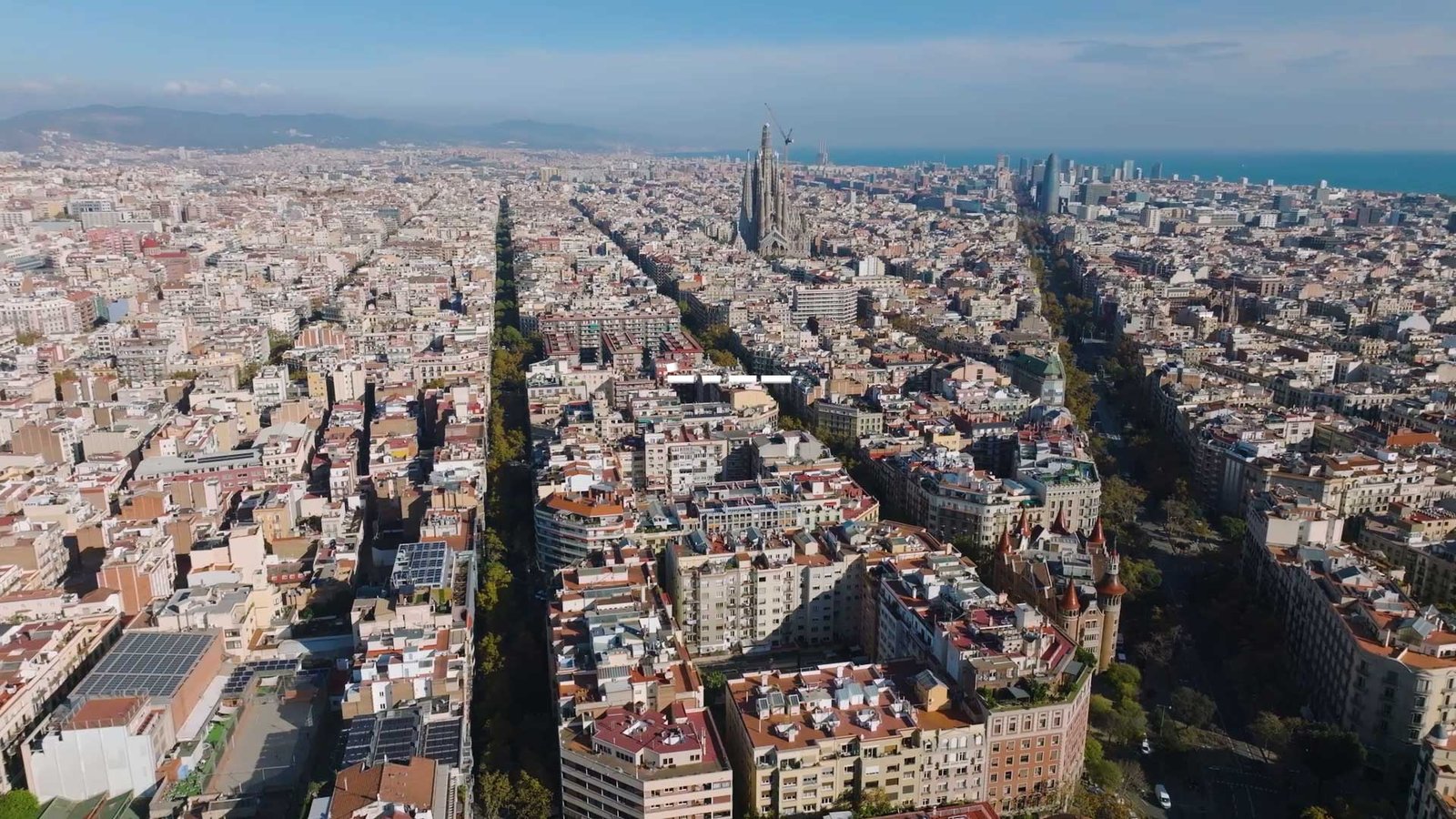
An empty building is just a structure. Bringing in a human element — someone living in the space or working in it — lets a potential buyer picture themselves inside the property.
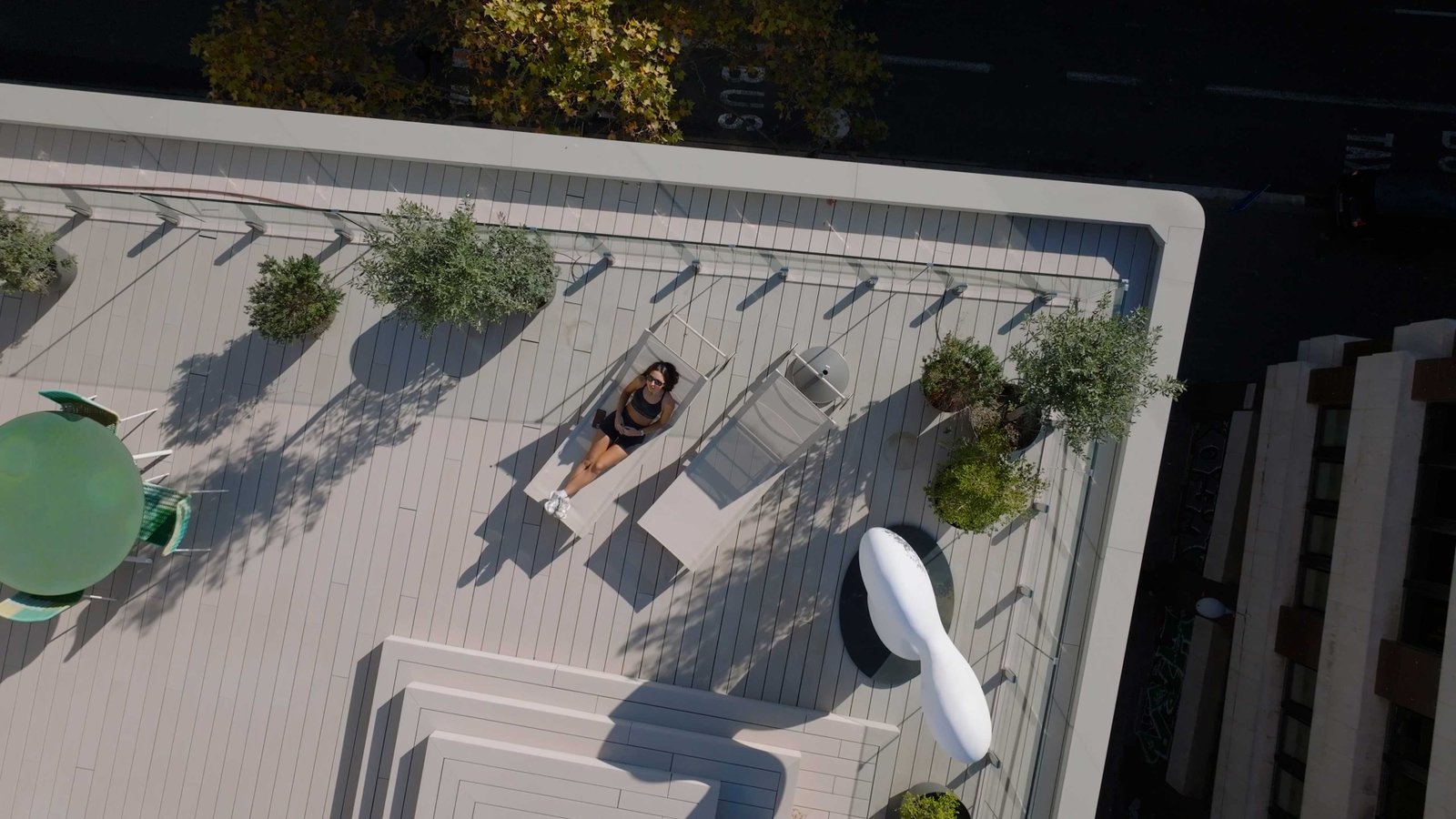
Clutter ruins the shot, but an overly sterile space feels cold. Use intentional details (a coffee cup, a book) to humanize the space without compromising visual cleanliness.
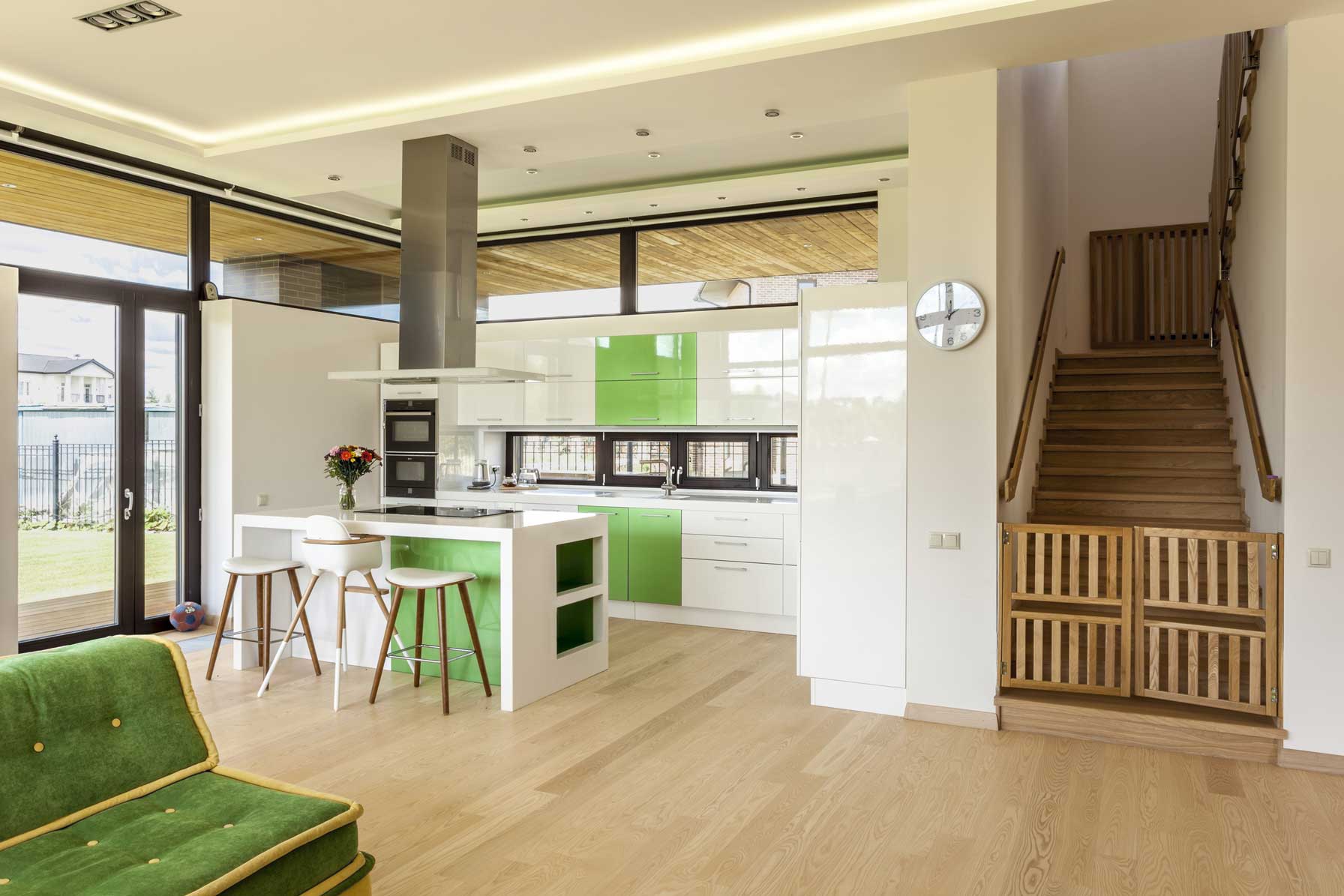
A professional edit should follow a narrative order: a wide shot to establish the space, a medium shot to connect, and a detail shot to make the viewer fall in love. Open with your best shot to hook interest, and close on a high-impact visual.
The difference between a mistake and a creative choice is intent. You can break the rules — as long as the goal is to strengthen the architect's or developer's message.
We film architecture and real estate projects in Barcelona, Catalonia and across Spain — from the shoot through final edit. See examples in our architecture and real estate section, or tell us about your project by sending a request.